Jul 9, 2026Auto-Parts
Why We Need Filters
Why We Need Filters in Refrigeration & HVAC Systems
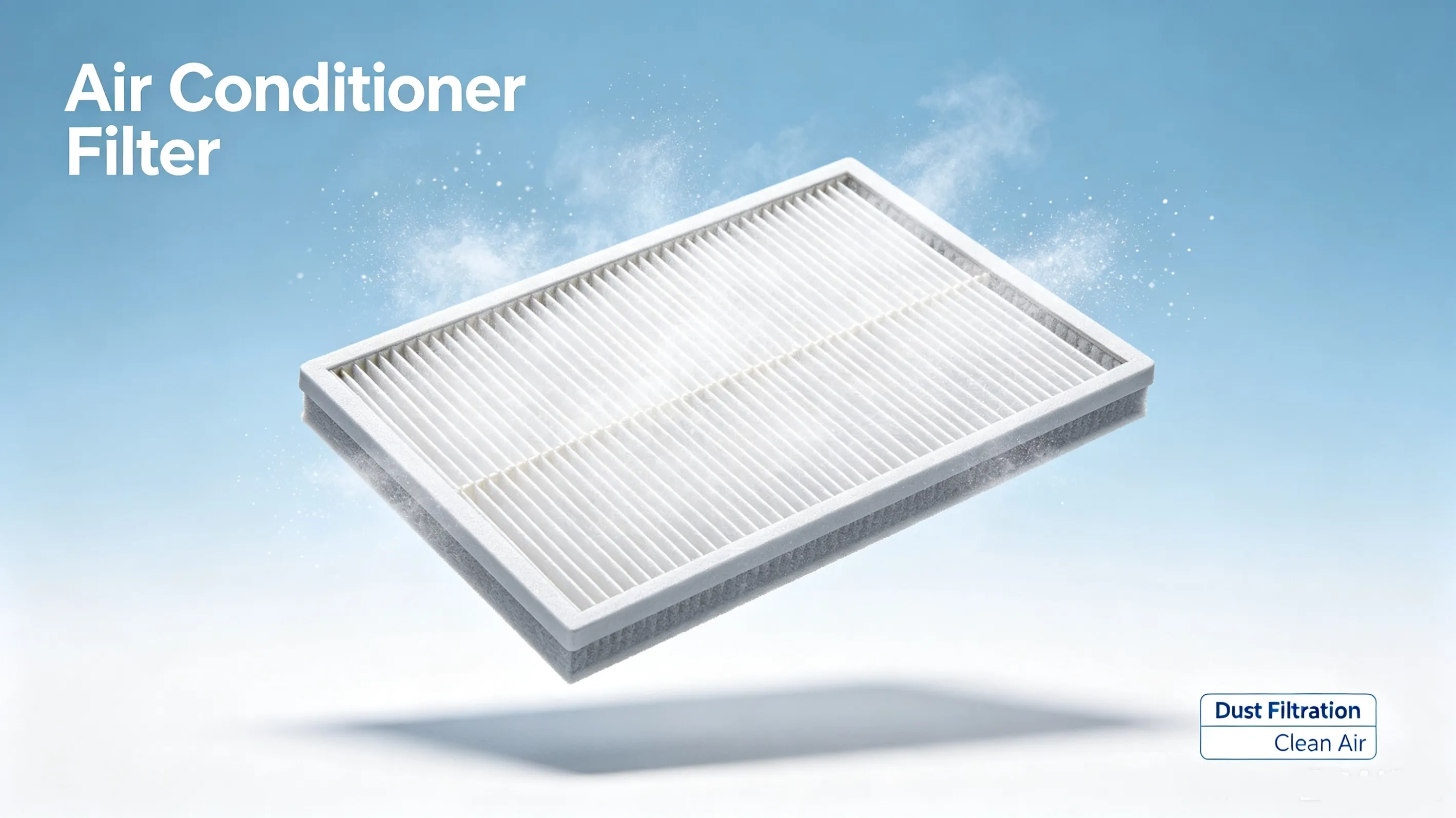
Why We Need Filters in Refrigeration & HVAC Systems
Filters are essential auxiliary components for refrigeration, HVAC, and industrial cooling systems. They act as the “purification barrier” of the entire circulation system, ensuring the cleanliness of refrigerant, air, and circulating water. Without qualified filters, cooling equipment will face accelerated wear, reduced efficiency, and frequent failures. Below are the core reasons why filters are indispensable.
1. Protect Core Precision Components
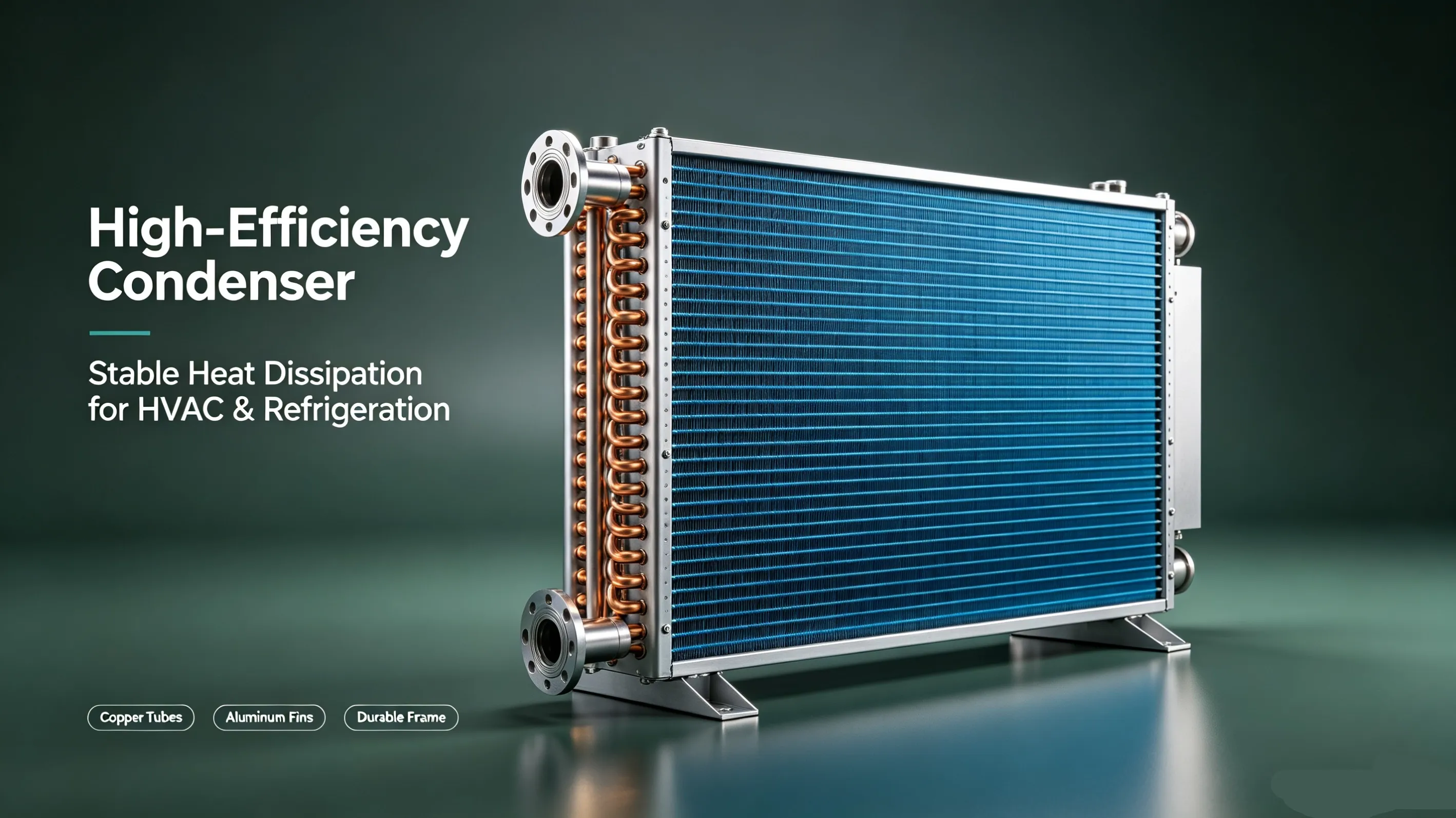
The core equipment of cooling systems, including compressors, condensers, and expansion valves, features precise internal structures with tiny flow channels and moving parts. Impurities such as metal shavings, welding slag, dust, and oxide scale generated during equipment production, installation, and operation will circulate in the system. These fine particles can easily block tiny valve ports, scratch compressor bearings and cylinder walls, and damage the internal sealing structure. Filters effectively intercept all kinds of solid impurities, fundamentally avoiding mechanical abrasion and component damage, and greatly extending the service life of core equipment.
2. Prevent System Blockage & Pipeline Clogging
Long-term operation of cooling systems will produce grease dirt and residual impurities, which tend to accumulate in pipelines and heat exchange components. Unfiltered impurities will cause local blockage of refrigerant circulation pipelines, resulting in poor fluid flow. This directly leads to insufficient heat exchange of the condenser, unstable system pressure, and reduced cooling effect. In severe cases, it will cause ice blockage and dirty blockage failures, forcing the equipment to shut down. Filters maintain the smooth circulation of the entire system pipeline and ensure stable and continuous operation of the equipment.
3. Improve Cooling Efficiency & Save Energy
When impurities adhere to the surface of condenser and evaporator heat exchange fins or block internal flow channels, they will form a heat insulation layer, seriously reducing the heat exchange efficiency of the equipment. The system needs to consume more power to achieve the set cooling effect, resulting in increased energy consumption. Filters keep the internal circulation medium clean and the heat exchange components unobstructed, maintaining the optimal heat exchange state of the system, effectively improving cooling efficiency, and reducing long-term operating energy costs.
4. Avoid Secondary System Failures & Reduce Maintenance Costs
Impurity pollution is the main cause of common faults such as system noise, pressure fluctuation, refrigerant leakage, and component burnout. Timely filtration and impurity removal can avoid a series of secondary failures caused by dirt accumulation. Regular replacement and maintenance of low-cost filters can prevent expensive core components such as compressors and condensers from being damaged, greatly reducing equipment failure rates, maintenance frequency, and replacement costs, and improving the overall operational stability of the cooling system.
5. Ensure Long-Term Stable Operation of the Whole System
A clean internal environment is the basis for the long-term reliable operation of HVAC and refrigeration systems. Filters continuously purify the circulating medium, avoid dirt accumulation and corrosion inside the pipeline, keep the system operating parameters stable, and ensure consistent cooling performance throughout the equipment life cycle. They are a key guarantee for the safe, efficient, and durable operation of industrial cooling, commercial air conditioning, and refrigeration equipment.
Conclusion
Filters are small but vital components in cooling systems. They protect core equipment, prevent blockage failures, improve energy efficiency, and cut maintenance costs. Choosing high-quality matching filters is a necessary measure to maximize the performance and service life of compressors, condensers, and the entire refrigeration system.